
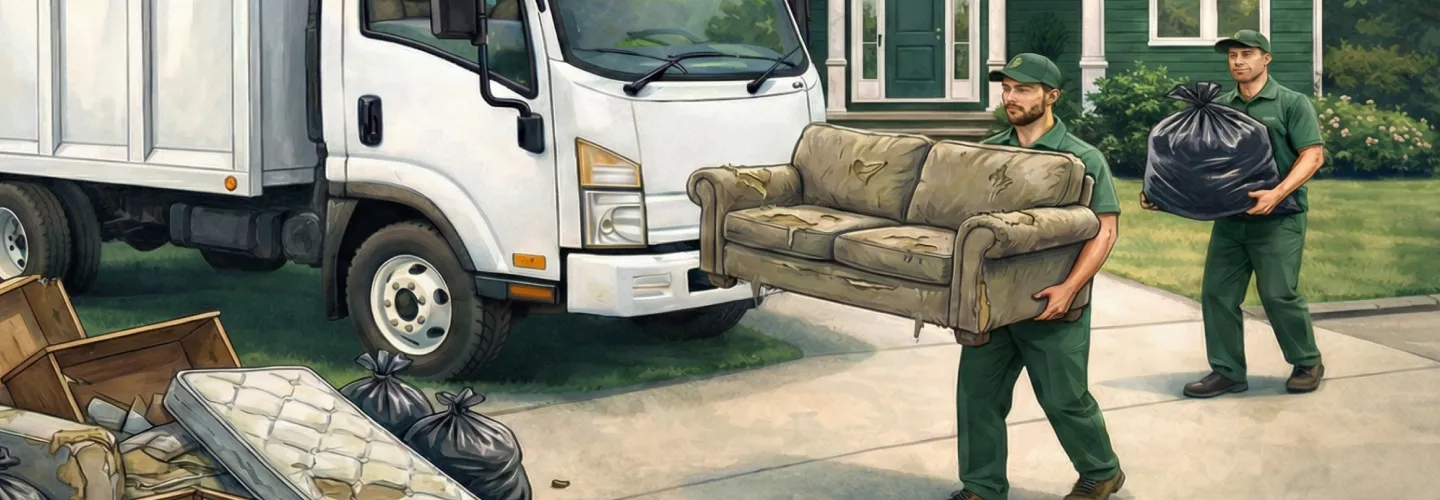
Milton Storage Unit Cleanout Services
Choose our Storage Unit Cleanout for fast, reliable, and hassle-free service—our experienced team ensures your unit is cleared efficiently, saving you time and stress while maximizing your usable space.
Get a Free QuoteOur Milton Junk Removal Services
Storage Unit Cleanout in Milton, GA – Local Service Guide
Storage unit cleanouts in Milton, GA, require careful planning and local know-how to ensure a smooth process. Whether you’re clearing out a unit after a move, downsizing, or managing an estate, timing and logistics are key. In neighborhoods like Crabapple and Birmingham Crossroads, residents often schedule cleanouts during spring or after major life events, such as home renovations or family transitions. For residential items—furniture, mattresses, appliances, and electronics—options include donation, recycling, or responsible disposal, with access and weather conditions in Milton (especially during summer storms) influencing scheduling. For residential spaces like garages or basements, seasonal cleanouts are common, particularly after heavy rains in flood-prone areas or during yard waste cycles. Commercial clients in areas like Deerfield or along Highway 9 may need discreet, timely service for offices, restaurants, or retail spaces, often requiring after-hours coordination and handling larger volumes. Specialty cleanouts, such as for foreclosures or construction debris, demand advance planning and compliance with local guidelines. For more on local disposal rules and recycling resources, visit the Milton Environmental Programs & Sustainability page.
Key Considerations for Storage Unit Cleanout in Milton
- Optimal timing (avoid peak weather, coordinate with local events)
- Permit requirements for large-scale or specialty cleanouts
- Approved disposal and recycling channels
- Unit access (gated facilities, truck clearance)
- Volume and category-specific handling
- Coordination with property managers or city services
Benefits of Storage Unit Cleanout in Milton
Fast and Efficient Cleanout
Eco-Friendly Disposal
Affordable Pricing Options
Experienced Cleanout Professionals
Flexible Scheduling
Stress-Free Service Experience
Coordinating Storage Unit Cleanout Disposal with Milton's Public Works and Waste Management Programs
Storage unit cleanouts in Milton, GA, often produce a wide variety of materials—furniture, electronics, household goods, and sometimes hazardous items—that require proper sorting and disposal in accordance with municipal and county regulations. Milton operates within Fulton County's solid waste framework, meaning residents and service providers must coordinate with both city and county resources for compliant disposal. Key considerations for storage unit cleanout disposal include:
- Sorting requirements: Separate recyclable materials (metals, cardboard, electronics) from general waste before transport to any disposal facility
- Bulky item handling: Furniture, mattresses, and large household items may not be accepted through standard curbside collection and typically require scheduled bulk pickup or direct hauling to an approved facility
- Commercial hauler compliance: Any company hired to perform a storage unit cleanout must hold appropriate business licensing and insurance as required by Milton's Community Development department
- Prohibited curbside items: Appliances containing refrigerants, electronics, tires, and hazardous chemicals must be diverted to specialized facilities rather than placed at the curb
Milton Public Works Department
2006 Heritage Walk, Milton, GA 30004
Phone: (678) 242-2500
Official Website: Milton Public Works Department
Georgia's Solid Waste Management Act and Environmental Compliance for Storage Unit Disposal
Georgia's Solid Waste Management Act (O.C.G.A. § 12-8-20 et seq.) establishes the regulatory framework governing how materials removed from storage units must be handled, transported, and disposed of throughout the state. The Georgia Environmental Protection Division (GA EPD) enforces these requirements and oversees permitting for solid waste handling facilities. Milton residents and haulers conducting storage unit cleanouts should be aware of the following state-level requirements:
- Solid waste transport: Vehicles transporting waste from storage unit cleanouts must be covered or enclosed to prevent debris from scattering during transit, per Georgia solid waste regulations
- Landfill restrictions: Lead-acid batteries are banned from Georgia landfills and must be returned to retailers or recycled through approved channels
- Appliance disposal: Refrigerators, freezers, and air conditioning units require EPA Section 608-compliant refrigerant recovery by a certified technician before disposal
- Tire disposal: Tires discovered during storage unit cleanouts cannot be landfilled in Georgia and must be taken to a permitted tire processor or collection site
- Illegal dumping penalties: Improper disposal of storage unit contents—including dumping on roadsides or vacant lots—carries fines and potential criminal charges under Georgia law
Milton's Environmental Programs and Recycling Resources for Storage Unit Materials
Milton's Environmental Programs & Sustainability division provides guidance on recycling and diversion options that apply directly to materials commonly found during storage unit cleanouts. Fulton County also operates recycling drop-off centers and hosts periodic collection events that Milton residents may utilize. When clearing a storage unit, the following recycling and diversion strategies should be prioritized:
- Electronics (e-waste): Computers, televisions, monitors, and peripherals should be taken to Fulton County's designated e-waste collection events or certified electronics recyclers rather than disposed of in general waste streams
- Scrap metal recovery: Metal shelving, filing cabinets, bed frames, and other ferrous and non-ferrous metals can be diverted to local scrap metal facilities for recycling
- Donation and reuse: Usable furniture, clothing, kitchenware, and household goods should be directed to charitable organizations such as Habitat for Humanity ReStore or local thrift operations to extend item life and reduce landfill burden
- Cardboard and paper: Boxes, packing materials, and documents found in storage units are recyclable through Fulton County's recycling programs
- Mattress disposal: Mattresses require separate handling; Georgia does not have a mattress EPR program, so disposal fees may apply at transfer stations or through bulk collection
Milton Environmental Programs & Sustainability
2006 Heritage Walk, Milton, GA 30004
Phone: (678) 242-2500
Official Website: Milton Environmental Programs & Sustainability
Hazardous Material Identification and Safe Handling During Milton Storage Unit Cleanouts
Storage units frequently contain items that qualify as household hazardous waste (HHW), requiring special handling protocols to protect workers, the public, and the environment. Milton falls within Fulton County's HHW collection program, which provides periodic drop-off events for materials that cannot enter the regular waste stream. Common hazardous materials encountered during storage unit cleanouts include:
- Paints and solvents: Latex and oil-based paints, paint thinners, and staining products must be taken to an HHW collection event or facility—not placed in curbside trash
- Automotive fluids: Motor oil, antifreeze, brake fluid, and transmission fluid require separate collection and recycling
- Propane tanks and compressed gas: Small propane cylinders and aerosol cans under pressure are prohibited from landfills and require specialized handling
- Pesticides and chemicals: Garden chemicals, pool supplies, and cleaning agents with hazardous labels must be disposed of through HHW channels
- Batteries: Lithium-ion, nickel-cadmium, and lead-acid batteries are prohibited from regular trash; retailers and recycling programs such as Call2Recycle accept rechargeable batteries
Workers performing storage unit cleanouts should wear appropriate personal protective equipment (PPE) including gloves, dust masks, and closed-toe footwear, particularly when unit contents are unknown or have been stored for extended periods.
Milton Fire Department
2006 Heritage Walk, Milton, GA 30004
Phone: (678) 242-2500
Official Website: Milton Fire Department
Permits, Code Compliance, and Access Logistics for Storage Unit Cleanouts in Milton
Storage unit cleanout projects in Milton may involve logistical and regulatory considerations depending on the volume of materials, the location of the storage facility, and the methods used for removal and transport. Milton's Building Division and Community Development department oversee code compliance matters that may intersect with large-scale cleanout operations. Important regulatory and logistical factors include:
- Commercial vehicle access: Large removal trucks may face restrictions at certain storage facilities due to narrow drive aisles, low overhead clearances, or weight-limited pavement; verify access dimensions before scheduling
- Noise ordinances: Milton enforces noise regulations that may limit the hours during which heavy loading and hauling activities can occur in residential-adjacent areas
- Stormwater protection: Materials staged outdoors during a cleanout must not obstruct drainage pathways or introduce pollutants into Milton's stormwater management system
- Hauler licensing: Commercial junk removal companies operating in Milton must maintain valid business licenses and appropriate insurance coverage
- Facility coordination: Storage facility managers may require advance notice, proof of unit ownership or authorization, and adherence to facility-specific loading dock or access rules
Milton Building Division
2006 Heritage Walk, Milton, GA 30004
Phone: (678) 242-2500
Official Website: Milton Building Division
What Neighborhoods Do We Serve Throughout Milton, GA?
- Crabapple: Milton's historic village center features a mix of residential and small commercial properties. Storage facilities in this area may have narrower access roads, and cleanout projects should account for proximity to the Crabapple Historic District's pedestrian-friendly streetscape.
- Birmingham Crossroads: This community includes established single-family homes on larger lots along Birmingham Highway. Storage unit cleanouts here benefit from wider road access, though rural-character roads may lack curbing for staging materials.
- Deerfield: A large master-planned community with HOA regulations that may govern commercial vehicle access, staging of debris, and scheduling of removal activities. Advance coordination with the homeowners association is recommended.
- Cogburn Road Corridor: This area features newer residential subdivisions with standard suburban street widths. Storage facilities along this corridor typically offer adequate truck access, though peak-hour traffic on Cogburn Road may affect scheduling.
- Freemanville / Bethany Bend: Rural-residential neighborhoods with winding roads and limited shoulders. Larger removal vehicles should confirm turning radius clearance and avoid soft-shoulder parking during wet weather conditions.
- Arnold Mill Road Area: Located along Milton's western boundary, this corridor includes both residential properties and commercial storage operations. Facilities here generally provide straightforward vehicle access, but tree canopy along Arnold Mill Road may limit overhead clearance for taller trucks.