
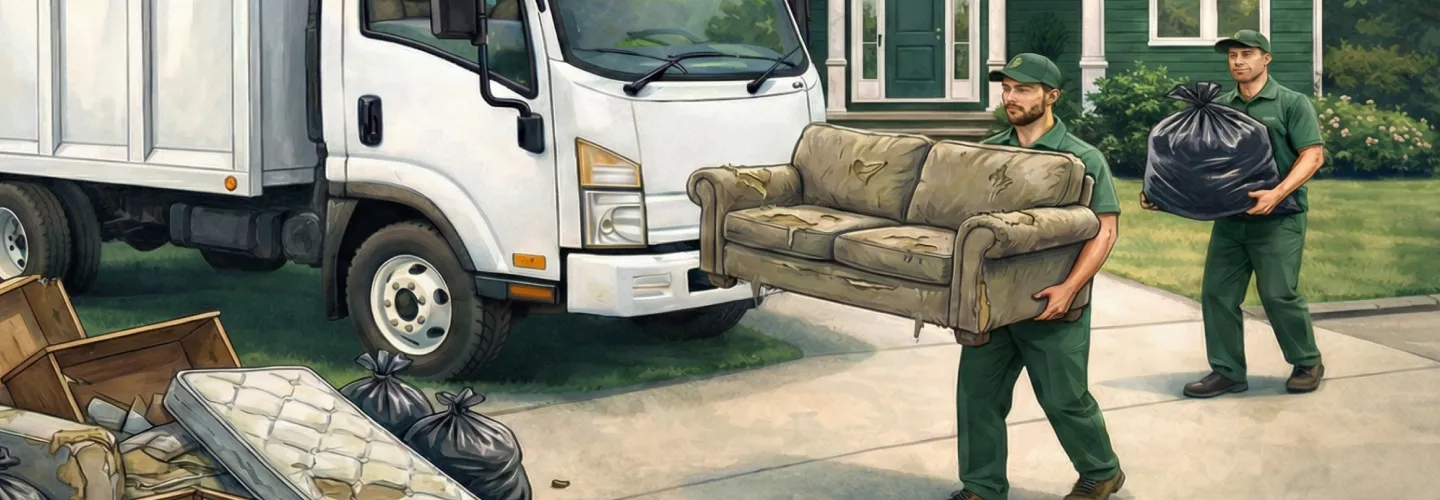
Milton Hoarding Cleanup Services
Choose our hoarding cleanup services for a respectful, discreet, and thorough approach that restores safety, comfort, and peace of mind to your home.
Get a Free QuoteOur Milton Junk Removal Services
Hoarding Cleanup in Milton, GA – Local Service Guide
Hoarding cleanup in Milton, GA requires a sensitive, thorough approach tailored to the city’s unique neighborhoods and property types. Whether you’re in Crabapple, White Columns, or near Birmingham Crossroads, local residents often seek hoarding cleanup after major life events, seasonal transitions, or property sales. For residential items like furniture, mattresses, and appliances, triggers include spring cleanouts, estate transitions, or upgrades. Milton’s recycling and donation options help divert usable goods, while larger items—like hot tubs or sheds—may require special equipment and weather-aware scheduling due to Georgia’s humid summers and stormy springs.
Residential spaces such as garages, basements, and yards often need attention after storms or during annual yard waste cycles. Flood-prone areas and dense tree coverage in Milton can accelerate the need for cleanup, especially after heavy rains. Commercial properties in areas like Deerfield or along Highway 9 face unique challenges, including discreet, after-hours service for offices, restaurants, and medical facilities. Specialty cleanups—such as for foreclosures, estates, or construction debris—demand careful planning, coordination with property managers, and compliance with local disposal rules. For guidance on local regulations and recycling resources, visit the Milton Environmental Programs & Sustainability page.
Benefits of Hoarding Cleanup in Milton
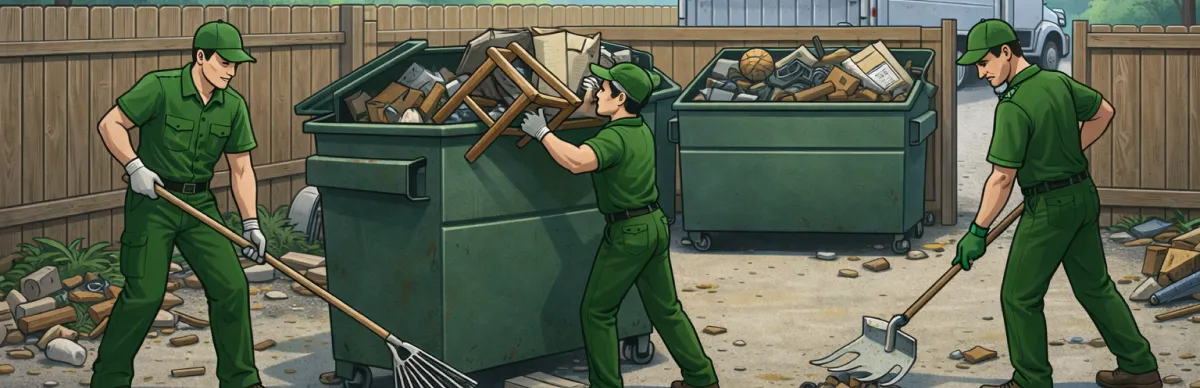
Professional and Compassionate Team
Discreet and Confidential Service
Thorough Property Restoration
Fast Response Times
Safe Removal and Disposal
Customized Cleanup Solutions
Coordinating Hoarding Cleanup with Milton's Code Enforcement and Community Development Division
Hoarding situations in Milton frequently involve code enforcement action due to property maintenance violations, structural concerns, or health hazards. The Milton Community Development department oversees zoning compliance, building inspections, and code enforcement activities that directly affect hoarding remediation timelines. Before initiating cleanup, residents and service providers should understand the following regulatory considerations:
- Property maintenance violations may trigger mandatory cleanup timelines established by code enforcement officers
- Building permits may be required if structural repairs or renovations follow the cleanout, particularly for electrical, plumbing, or load-bearing modifications
- Occupancy restrictions can be imposed if inspectors determine the dwelling is unsafe for habitation during or after cleanup
- Fire code compliance must be restored, including clear egress paths, functional smoke detectors, and unobstructed windows
- Zoning ordinances prohibit exterior accumulation of debris, vehicles, or materials on residential properties
Residents who receive code enforcement notices should contact the Milton Building Division promptly to discuss compliance timelines and required inspections.
Milton Building Division
2006 Heritage Walk, Milton, GA 30004
Phone: (678) 242-2500
Official Website: Milton Building Division
Biohazard and Hazardous Material Disposal Requirements for Milton Hoarding Cases
Hoarding environments frequently contain biohazardous materials, including animal waste, mold-contaminated items, spoiled food, and medical sharps. Georgia law and federal regulations impose strict handling and disposal requirements for these materials. The Georgia Environmental Protection Division (GA EPD) administers the state's solid waste management program under the Georgia Comprehensive Solid Waste Management Act (O.C.G.A. § 12-8-20), which governs proper classification and disposal of hazardous and special waste streams. Key requirements include:
- Biohazardous waste such as blood-contaminated materials, animal remains, and medical sharps must be segregated and transported by licensed medical waste haulers to approved treatment facilities
- Mold-contaminated materials including drywall, insulation, and soft furnishings require containment during removal to prevent spore dispersal; OSHA respiratory protection standards apply to workers
- Household hazardous waste including paints, solvents, pesticides, batteries, and cleaning chemicals cannot be disposed of in regular solid waste streams
- Lead paint debris in pre-1978 homes must be handled in accordance with the EPA Renovation, Repair, and Painting Rule, requiring certified renovators and proper containment
- Asbestos-containing materials found in older insulation, flooring, and ceiling tiles require licensed abatement contractors for removal
Fulton County operates household hazardous waste collection events periodically for Milton residents. Contact the county for current schedules and accepted materials.
Milton's Environmental Programs and Recycling Mandates for Hoarding Debris Diversion
Hoarding cleanups generate substantial volumes of mixed materials, many of which are subject to recycling requirements or landfill diversion goals under Georgia regulations and Milton's sustainability initiatives. The Milton Environmental Programs & Sustainability office provides guidance on proper sorting and recycling of recoverable materials. During hoarding remediation, the following material categories require special attention:
- Electronics and e-waste including televisions, computers, monitors, and peripherals should not be placed in regular waste; Fulton County and regional partners offer designated e-waste drop-off locations
- Appliances containing refrigerants such as refrigerators, freezers, and air conditioning units require certified refrigerant recovery under EPA Section 608 regulations before disposal
- Scrap metal including shelving, bed frames, and appliance housings can be diverted to metal recycling facilities rather than landfills
- Mattresses and box springs should be separated for recycling where facilities exist; Georgia does not currently operate a mattress EPR program, so disposal fees may apply at transfer stations
- Clothing and textiles in salvageable condition may be directed to donation organizations; contaminated textiles must be disposed of as solid waste
Proper sorting at the point of removal reduces disposal costs and supports Milton's environmental stewardship goals.
Milton Environmental Programs & Sustainability
2006 Heritage Walk, Milton, GA 30004
Phone: (678) 242-2500
Official Website: Milton Environmental Programs & Sustainability
Stormwater Protection and Debris Containment During Milton Hoarding Cleanups
Milton's Stormwater Management program enforces strict pollution prevention requirements that directly affect hoarding cleanup operations. When large volumes of debris are staged outdoors for removal, improperly contained materials can introduce pollutants into the city's stormwater drainage system, violating local ordinances and state water quality standards. Cleanup crews and property owners must observe the following protocols:
- Debris staging areas must be covered or contained to prevent wind dispersal of loose materials, paper, and lightweight items into storm drains or neighboring properties
- Liquid waste including spoiled food runoff, cleaning chemicals, and contaminated water must never be discharged into storm drains, gutters, or ditches
- Sediment and particulate matter from demolition or deep-cleaning activities must be captured using appropriate barriers or filtration before reaching impervious surfaces
- Vehicle loading zones should use tarps or containment measures to prevent debris from falling onto roadways during transport
- Tree conservation requirements under Milton's Tree Conservation ordinance must be observed when staging equipment or debris near protected trees on the property
Violations of stormwater pollution prevention requirements may result in enforcement action and fines from the Milton Public Works Department.
Milton Stormwater Management
2006 Heritage Walk, Milton, GA 30004
Phone: (678) 242-2500
Official Website: Milton Stormwater Management
Fire Safety Coordination and Emergency Access Restoration in Milton Hoarding Properties
Hoarding conditions frequently create severe fire hazards due to blocked exits, overloaded electrical circuits, and combustible material accumulation. The Milton Fire Department may be involved in hoarding cases when fire code violations are identified during inspections or emergency responses. Restoring fire safety compliance is a critical component of any hoarding remediation project. Key fire safety considerations include:
- Egress clearance requires all hallways, stairways, and doorways to maintain minimum clear widths as specified by the International Fire Code adopted by Milton
- Electrical hazards including overloaded outlets, buried extension cords, and inaccessible electrical panels must be addressed; a licensed electrician may be needed for inspection and repair
- Combustible material storage must be reduced to eliminate fire load concentrations that endanger occupants and neighboring properties
- Smoke detector and carbon monoxide alarm functionality must be verified and units replaced if missing, damaged, or expired
- Emergency vehicle access to the property exterior must remain unobstructed, including driveways, walkways, and fire department connection points
Following cleanup completion, property owners may request a fire safety inspection through the Milton Fire Department to confirm code compliance and document remediation.
Milton Fire Department
2006 Heritage Walk, Milton, GA 30004
Phone: (678) 242-2500
Official Website: Milton Fire Department
What Neighborhoods Do We Serve Throughout Milton, GA?
- Crabapple: This historic crossroads community features older homes and structures that may contain lead paint or asbestos materials requiring specialized handling during hoarding remediation. Narrow lot configurations and mature tree canopy can limit staging areas for debris removal equipment.
- Birmingham Crossroads: Properties in this area often sit on larger rural lots with extended driveways, requiring careful logistics planning for truck access. Hoarding situations in older farmstead-style homes may involve outbuildings and barns with additional accumulation.
- Deerfield: This established subdivision features single-family homes with HOA regulations that may impose cleanup timelines and exterior appearance standards. Cul-de-sac street layouts require advance coordination for removal vehicle turnaround and staging.
- Cogburn Road Corridor: Residential properties along this corridor include a mix of newer developments and legacy homes. Access from the main road is generally straightforward, though individual lot grading and steep driveways may present challenges for heavy equipment.
- Bethany Bend: Homes in this area are typically set on wooded lots with significant setbacks from the road. Tree conservation ordinances must be observed when positioning vehicles and staging debris near protected specimens.
- Milton Lakes and Lackey Road Area: This semi-rural section includes properties with well and septic systems that must be identified and protected during cleanup operations. Longer response distances from municipal services may affect scheduling and coordination timelines.