
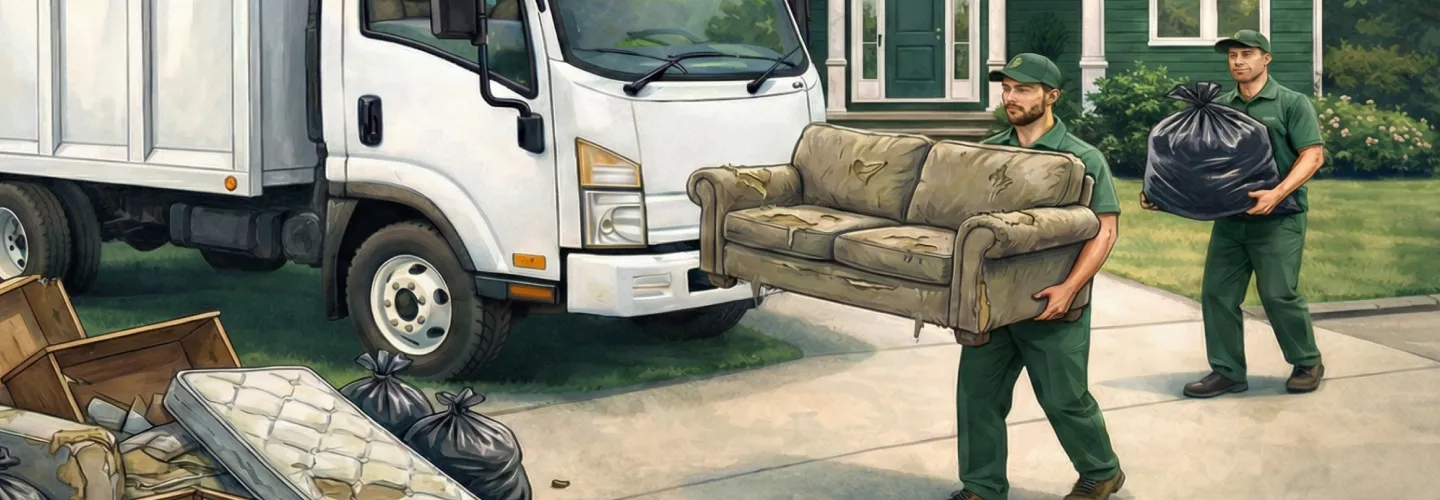
Milton Construction Debris Removal Services
Choose our construction debris removal for prompt, professional service that keeps your site safe, clean, and on schedule—so you can focus on building, not cleaning up.
Get a Free QuoteOur Milton Junk Removal Services
Construction Debris Removal in Milton, GA – Local Service Guide
Construction debris removal in Milton, GA is essential for keeping properties safe, compliant, and visually appealing. Whether you’re renovating a home in White Columns, clearing out a basement in Crooked Creek, or managing a commercial build-out near Crabapple Market, timely debris removal ensures projects stay on track and neighborhoods remain clean. For residential items like old appliances or hot tubs, removal often coincides with seasonal upgrades or major life events. Local donation and recycling options are available, but access and weather—especially during rainy spring months—can impact logistics. Garage and yard cleanouts are common after storms or during annual property maintenance, with frequency depending on tree coverage and local flooding risks. Commercial sites, such as offices or restaurants, require discreet, scheduled pickups to minimize disruption and handle larger volumes. Specialty services, including dumpster rentals or estate cleanouts, demand careful planning and coordination, particularly for properties with limited access or unique disposal needs. For guidance on local disposal rules and recycling resources, visit the Milton Environmental Programs & Sustainability page.
Benefits of Construction Debris Removal in Milton
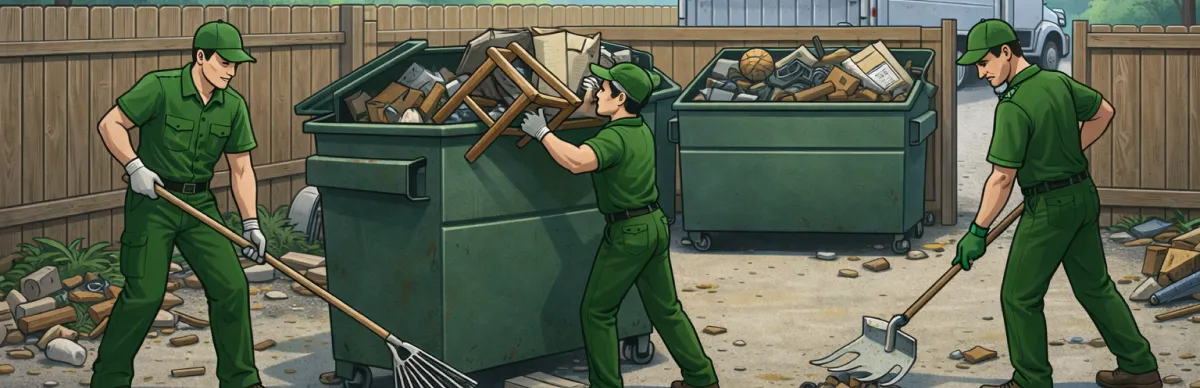
Fast and Reliable Cleanup
Safe Job Site Practices
Eco-Friendly Disposal Solutions
Cost-Effective Debris Removal
Flexible Scheduling Options
Experienced Local Professionals
Coordinating Construction Debris Removal with Milton's Building Division and Permit Requirements
Construction and demolition projects in Milton, GA, generate significant volumes of debris that require proper permitting and disposal coordination. The Milton Building Division oversees construction plan review, inspections, and code enforcement for all residential and commercial projects. Before initiating any demolition or renovation that produces debris, property owners and contractors must secure appropriate building permits and confirm waste management plans comply with local ordinances.
- Building permits are required for structural demolition, major renovations, and additions generating construction waste
- Demolition permits must be obtained before any teardown activity begins
- Waste management plans may be required for large-scale projects to document debris handling and disposal methods
- Inspections are conducted to verify proper debris containment and site cleanliness during active construction
- Code violations may result from improper debris storage, unauthorized dumping, or failure to maintain clean job sites
Contractors operating in Milton must coordinate with the Milton Community Development department for zoning compliance and development review related to construction activity.
Milton Building Division
2006 Heritage Walk, Milton, GA 30004
Phone: (678) 242-2500
Official Website: Milton Building Division
Georgia's Solid Waste Management Act and Construction Debris Disposal Regulations
Georgia regulates construction and demolition (C&D) debris under the Georgia Comprehensive Solid Waste Management Act (O.C.G.A. § 12-8-20) administered by the Georgia Environmental Protection Division (GA EPD). This legislation establishes standards for the handling, transport, and disposal of construction materials including lumber, drywall, concrete, roofing, metals, and other building components. Milton property owners and contractors must ensure all C&D waste is transported to permitted facilities.
- Inert waste landfills accept clean concrete, brick, block, and asphalt that are free of contaminants
- Construction and demolition landfills accept mixed building materials including wood, drywall, roofing, and non-hazardous debris
- Municipal solid waste landfills may accept C&D debris but typically at higher disposal rates
- Prohibited materials include asbestos-containing materials, lead-painted components, chemical containers, and any hazardous waste
- Hauler requirements mandate that all commercial waste transporters maintain valid permits issued by GA EPD
Improper disposal of construction debris, including illegal dumping on vacant lots or in waterways, carries penalties under both state law and Milton municipal code.
Georgia Environmental Protection Division
2 Martin Luther King Jr. Drive SE, Suite 1456, Atlanta, GA 30334
Phone: (404) 656-4713
Official Website: Georgia Environmental Protection Division
Material Sorting and Separation Requirements for Milton Construction Projects
Proper sorting and separation of construction debris is essential for regulatory compliance and environmental stewardship in Milton. The Milton Environmental Programs & Sustainability initiative encourages waste diversion through recycling and material recovery. Separating recyclable construction materials from general waste reduces landfill volume and may lower disposal costs at permitted facilities.
Construction debris should be sorted into the following categories on-site before transport:
- Clean concrete, brick, and masonry — recyclable at inert waste processing facilities; must be free of rebar, wood, and contaminants
- Scrap metals (steel, copper, aluminum) — accepted at licensed scrap metal recyclers; often generates revenue for contractors
- Clean wood and lumber — untreated wood may be accepted for mulching or biomass; treated or painted wood requires separate disposal
- Asphalt shingles — recyclable at specialized facilities that process shingles into road base material
- Drywall and gypsum board — recyclable at select facilities; must be kept dry and separated from other debris
- Mixed C&D waste — non-recyclable materials must be transported to a GA EPD-permitted C&D landfill
Contractors should maintain separate collection areas or containers on job sites to facilitate efficient sorting. Commingling hazardous materials such as paint cans, solvents, or asbestos-containing materials with general construction debris is prohibited under Resource Conservation and Recovery Act (RCRA) regulations and Georgia state law.
Stormwater Protection and Environmental Compliance During Debris Removal in Milton
Construction debris removal activities in Milton must comply with stormwater management regulations to prevent sediment, pollutants, and construction materials from entering local waterways. The Milton Stormwater Management program enforces erosion and sediment control measures on all construction sites, and debris removal operations are subject to these requirements.
- Erosion and sediment control plans are required for land-disturbing activities exceeding specified thresholds
- Silt fences, sediment barriers, and inlet protection must remain in place during debris loading and hauling operations
- Debris staging areas should be located away from storm drains, creeks, and drainage channels
- Washout areas for concrete trucks and equipment must be contained and cannot discharge into the stormwater system
- Dust control measures such as water application may be required during demolition and debris loading to prevent airborne particulate matter
- Spill prevention protocols must be followed when handling materials that may contain oils, paints, or chemical residues
Milton's stormwater program operates under the National Pollutant Discharge Elimination System (NPDES) permit framework. Violations related to construction site runoff or improper debris management may result in stop-work orders and fines from both the city and the EPA Region 4 office.
Milton Stormwater Management
2006 Heritage Walk, Milton, GA 30004
Phone: (678) 242-2500
Official Website: Milton Stormwater Management
Hazardous Material Handling and Safety Protocols for Milton Demolition Debris
Construction debris removal in Milton frequently involves materials that require specialized handling due to health and environmental hazards. Older homes and commercial structures in the area may contain regulated substances that cannot be disposed of through standard C&D waste channels. Identifying and properly managing these materials is both a legal obligation and a critical safety measure.
- Asbestos-containing materials (floor tiles, insulation, pipe wrap, siding) found in pre-1980 structures require inspection by a Georgia-licensed asbestos inspector before demolition; removal must be performed by certified abatement contractors
- Lead-based paint in pre-1978 buildings must be handled in accordance with the EPA Renovation, Repair, and Painting Rule, requiring EPA-certified renovators and lead-safe work practices
- Mercury-containing devices (thermostats, fluorescent lighting) must be removed intact and disposed of as hazardous waste
- Chemical containers (adhesives, solvents, paints, stains) found during renovation must be separated and taken to a household hazardous waste collection facility
- Refrigerant-containing equipment encountered during demolition requires recovery by an EPA Section 608-certified technician before disposal
OSHA construction safety standards apply to all debris removal operations, including requirements for personal protective equipment, fall protection, and proper lifting techniques when handling heavy building materials.
Milton Fire Department
2006 Heritage Walk, Milton, GA 30004
Phone: (678) 242-2500
Official Website: Milton Fire Department
What Neighborhoods Do We Serve Throughout Milton, GA?
- Crabapple: Milton's historic crossroads district features older structures that may contain asbestos or lead paint requiring pre-demolition inspection. Narrow roadways in the village center may necessitate traffic coordination during debris hauling operations.
- Birmingham Crossroads: This area includes a mix of established homes and newer developments. Renovation projects on older properties generate mixed debris requiring careful material sorting, while rural-character roads may limit access for larger hauling vehicles.
- Deerfield: A large master-planned community with HOA regulations governing construction activity, debris staging, and hauling schedules. Contractors must obtain HOA approval and adhere to designated work hours and truck routing requirements.
- Cogburn Road Corridor: Residential properties along this corridor often sit on larger lots with extended driveways. Tree conservation requirements under the Milton Tree Conservation ordinance may affect demolition scope and debris removal access paths.
- Arnold Mill Road Area: Rural-residential properties with gravel driveways and limited turnaround space require advance site assessment for hauling vehicle access. Stormwater setback requirements near creeks and tributaries affect debris staging locations.
- Freemanville Road Neighborhood: Established single-family homes undergoing renovations produce typical residential C&D debris including roofing, siding, and interior materials. Street widths accommodate standard hauling vehicles, though on-street debris staging requires coordination with Milton Public Works.