
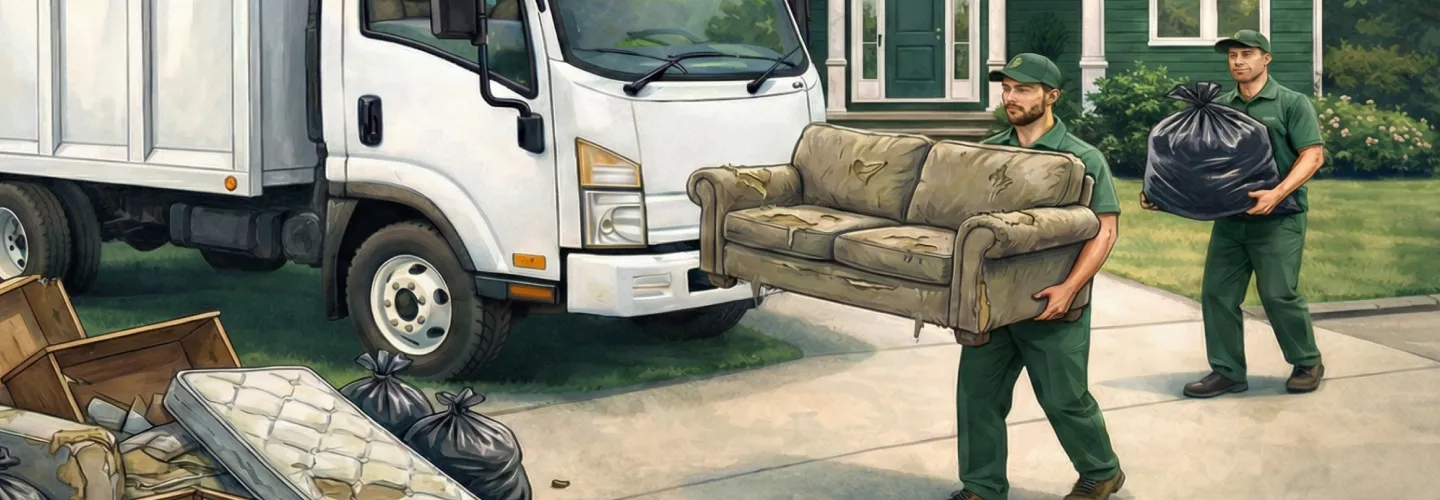
Milton Yard Waste Removal Services
Choose our Yard Waste Removal for fast, eco-friendly service that keeps your property spotless and your weekends stress-free.
Get a Free QuoteOur Milton Junk Removal Services
Yard Waste Removal in Milton, GA – Local Service Guide
Yard waste removal in Milton, GA is a vital service for maintaining beautiful properties in neighborhoods like White Columns, Crooked Creek, and The Manor. Homeowners often need yard debris cleared after seasonal storms, routine landscaping, or major cleanouts. In spring and fall, leaf and branch accumulation increases, especially in areas with dense tree coverage. For residential items such as old furniture, appliances, or hot tubs, removal is common during home upgrades or after weather events. Local disposal options include donation, recycling, or city-approved drop-off, but access and weather can affect logistics. For residential spaces like garages or basements, flooding or clutter from seasonal cycles may prompt cleanouts, while yard waste pickup aligns with local schedules. Commercial clients in Crabapple or along Highway 9 require discreet, timely removal for offices, restaurants, or construction sites, often with larger volumes and strict operational needs. Specialty services—like dumpsters for estate cleanouts or construction debris—demand careful planning and coordination, especially for properties with unique access or permitting requirements. For more on local rules and resources, visit the Milton Public Works Department.
Key Considerations for Yard Waste Removal in Milton
- Seasonal timing: peak needs after storms or during fall leaf drop
- Permits: required for large-scale or specialty removals
- Disposal channels: city-approved recycling and drop-off sites
- Access: narrow driveways or gated communities may affect service
- Volume: plan for extra debris during landscaping or renovations
- Coordination: schedule pickups around local events or HOA guidelines
Benefits of Yard Waste Removal in Milton
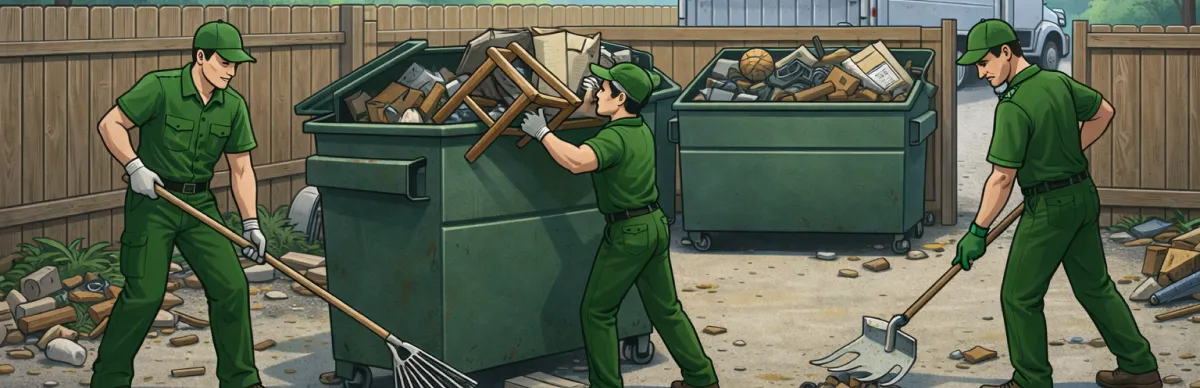
Fast Yard Waste Pickup
Eco-Friendly Disposal
Affordable Service Rates
Convenient Scheduling Options
Experienced Local Team
Comprehensive Clean-Up Solutions
Coordinating Yard Waste Disposal with Milton's Public Works and Curbside Collection Programs
Milton residents must follow specific guidelines when preparing yard waste for curbside collection. Fulton County provides residential solid waste and recycling services for Milton, and yard debris must be properly separated from household trash. Acceptable yard waste materials include:
- Leaves, grass clippings, and small brush placed in biodegradable paper bags or personal containers (not exceeding 50 pounds per bag or container)
- Tree limbs and branches cut to lengths no longer than four feet and bundled with twine (bundles must not exceed 50 pounds)
- Pine straw, weeds, and garden trimmings bagged separately from regular household refuse
- Stumps and root balls exceeding 6 inches in diameter, which typically require special pickup arrangements
Yard waste must not be placed in plastic bags, as these are not accepted by composting facilities. Residents should place materials curbside by 6:00 AM on their scheduled collection day. For questions regarding collection schedules or preparation requirements, contact the city directly.
Milton Public Works Department
2006 Heritage Walk, Milton, GA 30004
Phone: (678) 242-2500
Official Website: Milton Public Works Department
Milton's Tree Conservation Ordinance and Its Impact on Yard Waste Generation
Milton enforces a comprehensive tree conservation program that directly affects how residents manage yard waste from tree removal and pruning activities. Before removing any tree with a diameter at breast height (DBH) of six inches or greater on developed residential property, a tree removal permit may be required. Key regulatory considerations include:
- Tree removal permits must be obtained through Milton's Community Development Department before cutting protected trees, and resulting debris must be disposed of in compliance with local waste regulations
- Specimen and heritage trees receive additional protections; unauthorized removal may result in fines and mandatory replanting requirements
- Land-disturbing activities that generate significant volumes of wood waste, brush, or stumps may require a land disturbance permit and an approved erosion and sediment control plan
- Arborist reports may be required for trees in poor health or those posing safety hazards before removal is authorized
Residents planning tree work should coordinate with the Community Development Department to confirm permit requirements and ensure all generated yard waste is handled according to city standards.
Milton Community Development Department
2006 Heritage Walk, Milton, GA 30004
Phone: (678) 242-2500
Official Website: Milton Community Development
Georgia's Solid Waste Management Act and Yard Debris Disposal Compliance
Georgia regulates yard waste disposal under the Georgia Comprehensive Solid Waste Management Act (O.C.G.A. § 12-8-20) administered by the Georgia Environmental Protection Division (GA EPD). This legislation establishes statewide standards that affect how Milton residents and commercial landscapers handle organic debris. Important state-level requirements include:
- Yard trimmings are banned from municipal solid waste landfills in Georgia, meaning leaves, brush, grass clippings, and similar organic materials must be diverted to composting facilities, mulching operations, or other approved processing sites
- Illegal dumping of yard waste in streams, drainage ditches, or vacant lots violates both state environmental law and Milton's municipal code, with penalties including fines and remediation costs
- Commercial landscaping companies operating in Milton must transport yard waste to permitted composting or processing facilities and maintain proper disposal documentation
- Burning of yard waste is regulated by both the Georgia Forestry Commission and local fire ordinances; open burning permits may be required depending on location and season
Georgia Environmental Protection Division
2 Martin Luther King Jr. Drive SE, Suite 1456, Atlanta, GA 30334
Phone: (404) 656-4713
Official Website: Georgia Environmental Protection Division
Stormwater Protection Requirements for Yard Waste Handling in Milton
Milton's stormwater management program imposes specific obligations on how yard waste is stored and disposed of to prevent water quality degradation. Improperly managed yard debris can clog storm drains, contribute to nutrient loading in local waterways, and cause localized flooding. Residents and landscaping contractors must observe the following practices:
- Never deposit yard waste into storm drains, ditches, or waterways — leaves, grass clippings, and brush placed in drainage infrastructure can obstruct flow and degrade water quality in the Chattahoochee River watershed
- Stockpile yard debris away from impervious surfaces and drainage features to prevent organic runoff during rain events
- Compost or mulch on-site when feasible to reduce the volume of material requiring off-site disposal and to support Milton's environmental sustainability goals
- Erosion and sediment controls must be maintained on properties undergoing significant land clearing or tree removal that generates large quantities of yard waste
- Report illegal dumping of yard waste in streams or public rights-of-way to Milton's code enforcement division
Proper yard waste management is essential to maintaining compliance with federal Clean Water Act requirements and Georgia's stormwater permitting program.
Seasonal Yard Waste Volume Management and Proper Material Sorting in Milton
Milton's semi-rural landscape, characterized by mature hardwood canopy and large residential lots, generates substantial seasonal yard waste volumes. Residents should plan disposal activities around peak generation periods and follow proper sorting protocols to ensure materials are accepted at composting and processing facilities. Seasonal considerations include:
- Fall leaf season (October–December) produces the highest volumes; leaves should be raked and bagged in paper yard waste bags, not blown into streets or storm drains
- Spring pruning and storm cleanup (March–May) generates significant brush and limb debris; branches must be cut to four-foot lengths and bundled
- Summer mowing season requires regular disposal of grass clippings; grasscycling (leaving clippings on the lawn) is encouraged to reduce waste volume and return nutrients to soil
- Prohibited materials that must not be mixed with yard waste include treated lumber, painted wood, plastic landscape edging, metal stakes, rocks, and soil contaminated with chemicals
- Large-scale land clearing projects generating more than typical residential volumes may require coordination with a licensed hauler and disposal at a permitted facility
Proper sorting ensures yard waste can be composted or mulched rather than diverted to landfill, supporting Georgia's yard trimmings landfill ban.
What Neighborhoods Do We Serve Throughout Milton, GA?
- Crabapple: This historic crossroads community features mature tree canopy and established landscaping on smaller lots. Narrow roadways and on-street parking may require advance coordination for yard waste collection vehicles accessing residential properties.
- Birmingham Crossroads: Large estate-style properties with extensive wooded acreage generate significant volumes of brush, limbs, and leaf debris. Long driveways and rural road access may necessitate specialized equipment for hauling large quantities of yard waste.
- Deerfield: This established subdivision features HOA-maintained common areas alongside individual residential lots. Residents should verify HOA guidelines regarding curbside yard waste placement timing and container requirements before scheduling removal.
- Cogburn Road Corridor: Properties along this corridor include both older homes with mature hardwoods and newer developments with recently planted landscapes. Seasonal leaf volume from large deciduous trees requires consistent fall cleanup scheduling.
- The Manor Golf and Country Club Area: Upscale residential properties with professionally maintained landscapes generate regular pruning and seasonal debris. Gated community access protocols require advance scheduling and coordination with property management for yard waste removal services.
- Freemanville/Bethany Bend Area: Rural-residential properties with significant tree coverage and pastureland produce diverse yard waste including brush, fallen timber, and agricultural organic debris. Properties near creek corridors must observe stormwater buffer requirements when staging yard waste for removal.